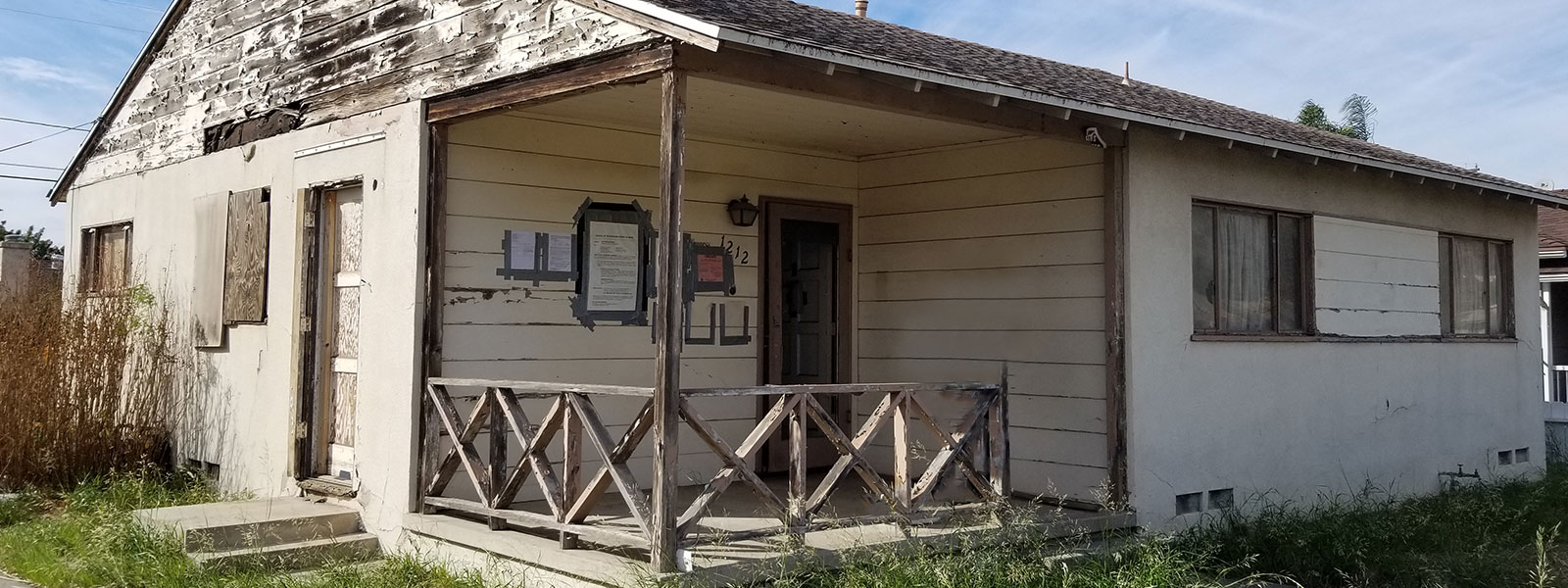

live within half a block of a vacant or vandalized housing unit like the one above.
In other words, 1 in 22 people lives near a nuisance property.
That's more people than the populations of the Chicago and Houston metropolitan areas combined.
But it doesn't have to be this way.

Based on HUD’s 2017 American Housing Survey and U.S. Census population data.
Nevertheless, receivership remains an under-utilized remedy for nuisance abatement in much of the U.S. As the most-experienced health and safety receiver, CRG Foundation is uniquely qualified to help others learn how to use this legislation to improve their communities.
A community identifies a property in violation of state or local codes, as well as the owner’s failure to correct these violations.
Once a receiver is appointed, the property is under the direct control of the court via the court-appointed receiver.
The receiver creates and carries out a rehabilitation plan for the property and obtains lien financing—all under the authorization of the court.
The property owner, via the equity in the property, is responsible for paying the cost of the property’s rehabilitation.
By leveraging the statutory authority and equitable discretion of the courts, health and safety receivership offers a cost-effective, direct-action solution to abating dangerous conditions at nuisance properties.
From California to Tennessee, we help work on health and safety receiverships throughout the country. Please scroll down to see examples of our work with various nuisance abatement issues and property types.
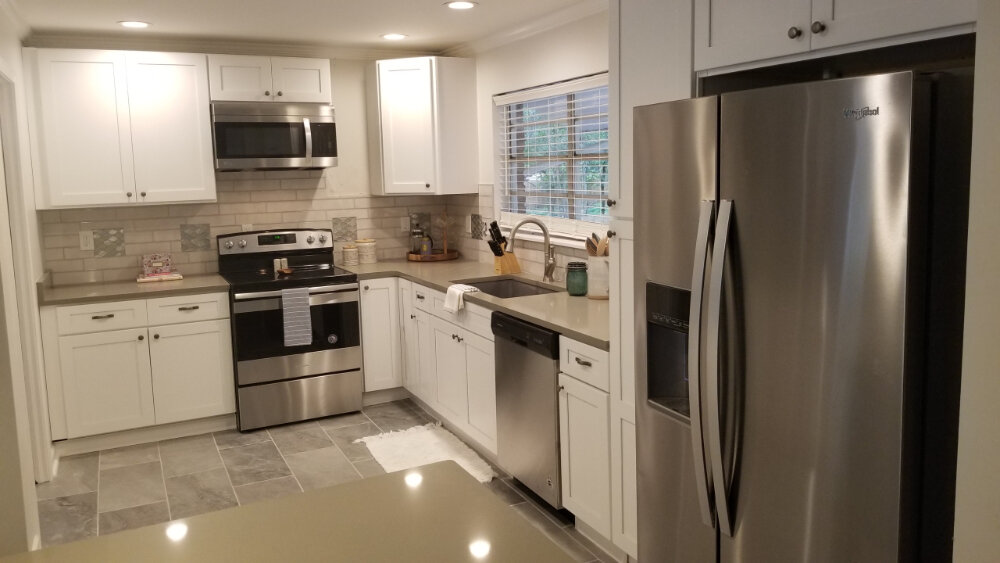
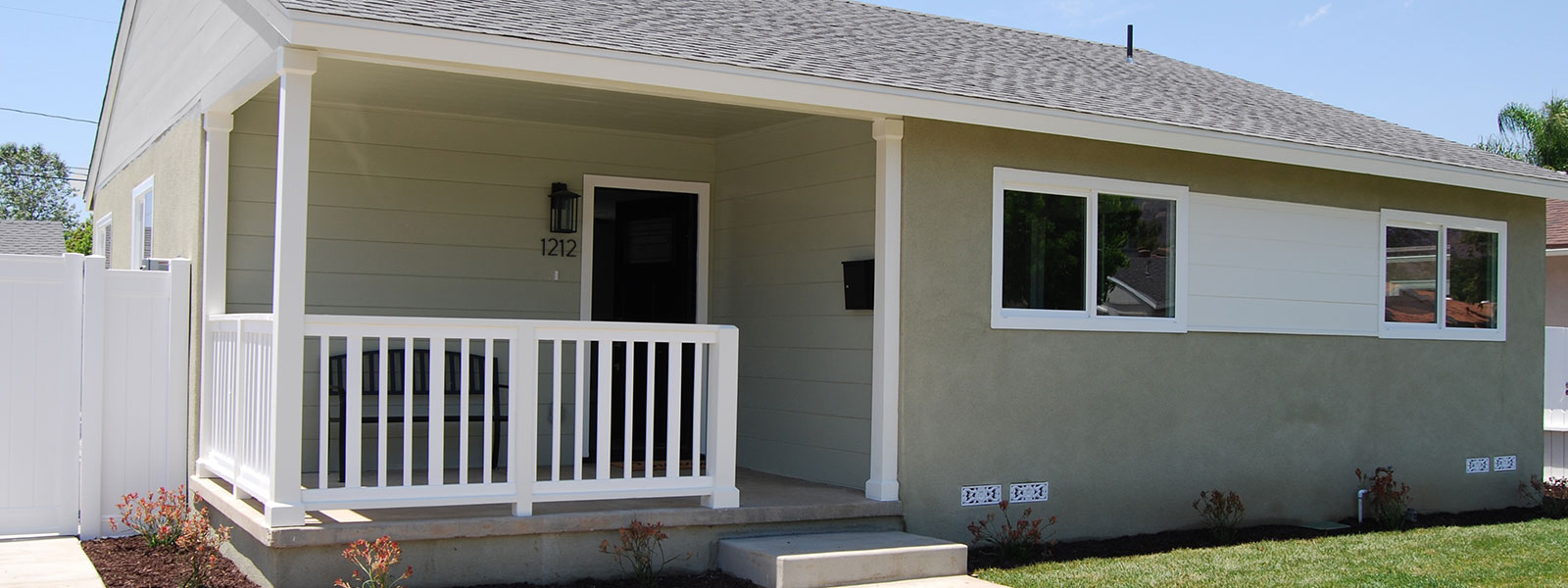
Breaking ground in Memphis, California Receivership Group Foundation was able to turn this abandoned property into a beautiful single family home. C.R.G.F. partnered with a local nonprofit corporation to use the health and safety receivership remedy to clean out this property of the hoarded items and dangerous mold. With this successful receivership we were able to show the city how there is an easier and safer way to handle nuisance properties making a positive impact on the neighborhood.
Nuisance abatement doesn’t always mean complete demolition of a property in order for the issue to be resolved. California Receivership Group Foundation was able to help bring a community back together through the health and safety receivership remedy. This property had overgrown vegetation that was a safety and fire hazard for the rest of the neighborhood. Once the receivership was complete, the owner of the property and the neighbors felt relieved that the hazards had been removed.